

Cast iron cornbread is defined by one sound: the sizzle when batter hits a skillet that's been preheating in the oven with a spoonful of fat. That sizzle is the bottom crust forming on contact — crackling, deep-gold, almost fried — and it's the entire difference between skillet cornbread and the cakey square-pan kind. The recipe itself is pantry-simple and 30 minutes end to end. Here's the classic version, with the preheat technique that makes it work and the honest answer to the sugar question.
Ingredients
- 1.5 cups yellow cornmeal (medium grind)
- 1/2 cup all-purpose flour
- 1 tablespoon sugar (optional — see the sugar debate below)
- 1 teaspoon baking powder
- 1/2 teaspoon baking soda
- 3/4 teaspoon fine salt
- 1.5 cups buttermilk
- 2 large eggs
- 4 tablespoons butter, melted, plus 2 tablespoons bacon fat or butter for the skillet
How to make cast iron cornbread
Preheat the skillet in the oven — empty except for fat
Put the cast iron skillet with 2 tablespoons of bacon fat or butter into a cold oven and heat both to 425°F. The skillet needs a 15-minute head start minimum — this stored heat is what fries the bottom crust. A cold-skillet start is the single difference between crackling cornbread and cake.
Mix dry and wet separately, then combine briefly
Whisk cornmeal, flour, sugar (if using), baking powder, baking soda, and salt. In another bowl, whisk buttermilk and eggs, then stream in the melted butter. Fold wet into dry with a spatula just until no dry streaks remain — 15 seconds, lumps welcome. Overmixing develops gluten and toughens the crumb.
Pour the batter into the sizzling skillet
Pull the hot skillet (oven mitts — this is where the handle cover earns its keep), swirl the fat to coat, and pour the batter into the center. It should audibly sizzle at the edges — that's the crust starting. Smooth the top quickly and get it back in the oven; every second out costs crust heat.
Bake 20-22 minutes until golden and pulling from the edges
Done when the top is golden, the edges have pulled slightly from the wall, and a toothpick in the center comes out clean — or an instant-read reads about 200°F in the middle. If the top browns before the center sets, it went into too shallow an oven position; middle rack next time.
Rest 10 minutes in the skillet, then slice into wedges
The rest sets the crumb and lets the crust release from the iron — cut immediately and the slices smear and the crust tears. Ten minutes, then wedges straight from the skillet, with butter and honey on the table. Leftovers reheat shockingly well split and toasted in the same dry skillet.
Recommended Gear
The gear we'd reach for. Prices shown on Amazon at click-through.
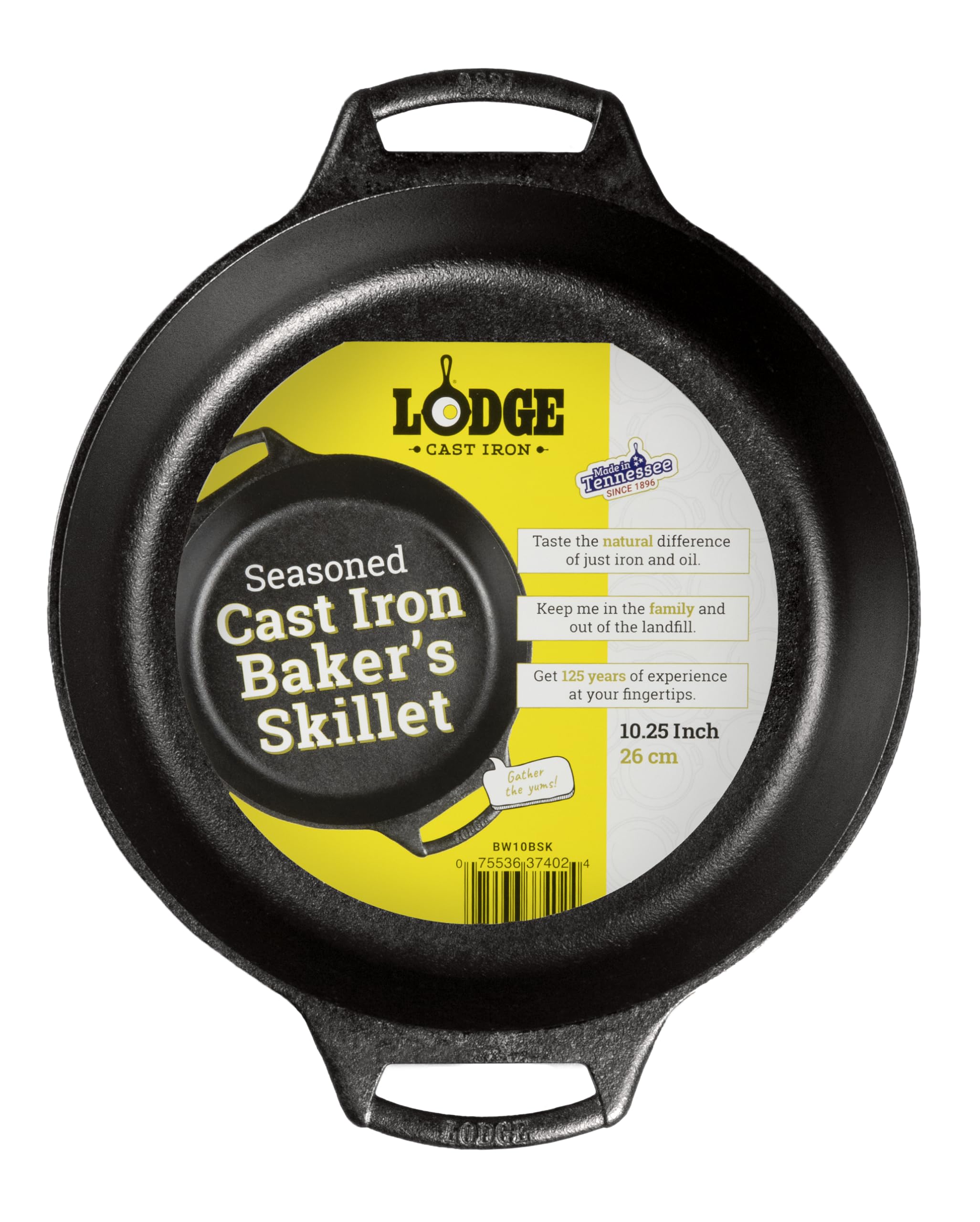
Lodge Seasoned Cast Iron Baker's Skillet with Dual Handles
budget-friendly
A baking-first cast iron skillet: dual loop handles clear the oven walls, and the shallow profile is exactly the depth classic cornbread wants. Preheated with fat, it delivers the crackling bottom crust that defines the skillet version.
Check Price on Amazon →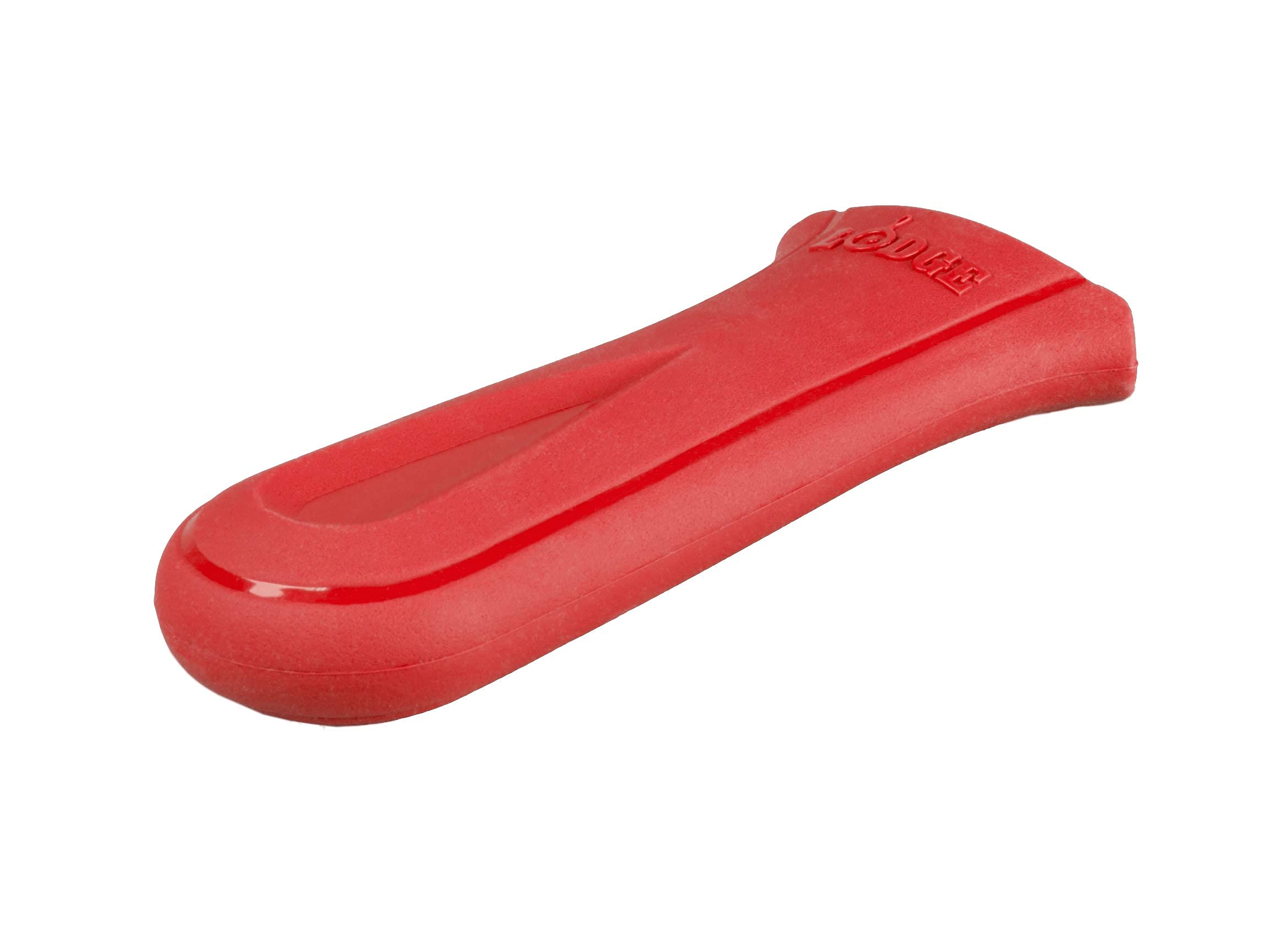
Lodge Deluxe Silicone Hot Handle Holder
budget-friendly
The five-dollar insurance policy for the number one cast iron injury: grabbing a handle that came out of a 425°F oven. It stays on the skillet from stovetop to oven to trivet, so there's no bare-handle moment.
Check Price on Amazon →The preheated-skillet technique, and why cast iron specifically
Cornbread batter is wet and heavy, and in a room-temperature pan it heats slowly from the outside in — you get pale, cakey edges. A skillet preheated to 425°F carries enormous stored heat in its thick iron walls, so when batter lands, the outside layer essentially fries in the hot fat while the interior bakes. That's the crackling crust, and it's also why thin metal or glass pans can't replicate it — they don't store enough heat to survive the batter's arrival. The fat choice flavors the crust: bacon fat is the traditional Southern move, butter browns nutty, and a neutral oil works but wastes the opportunity.
This is also the recipe that showcases why a dedicated baking skillet earns shelf space — dual handles beat a long handle inside an oven — though any well-seasoned skillet from our cast iron roundup does the job. Acid note: buttermilk's tang is fine for seasoned iron at these bake times; it's long acidic simmers that stress seasoning, not a 20-minute bake. If your skillet's seasoning is patchy enough that this worries you, fix it first with our seasoning guide, and see why cast iron gets sticky if the surface is gummy.
The sugar debate, buttermilk, and cornmeal grind
The regional argument is real: traditional Southern cornbread uses little or no sugar — it's a bread served with dinner, and sweetness reads as 'cake' — while Northern versions run a quarter-cup or more. This recipe's single optional tablespoon is the diplomatic middle: it rounds the corn flavor without registering as sweet. The buttermilk is less negotiable: its acidity activates the baking soda for lift, tenderizes the crumb, and adds the tang that plain-milk cornbread lacks. No buttermilk in the house? A cup and a half of milk with a tablespoon and a half of lemon juice, rested five minutes, is a legitimate substitute.
Cornmeal grind sets the texture personality: fine grind bakes tender and uniform, medium grind (the recipe default) gives a rustic bite with discernible corn texture, and stone-ground meal — often with flecks of germ — carries the deepest corn flavor at the cost of a coarser crumb. Skip 'cornbread mix' boxes; they're mostly flour and sugar. Add-ins fold in at the combine step without other changes: a cup of corn kernels, minced jalapeño and cheddar, or crumbled bacon are the classics. Cornbread's natural table-mates are already on the site — chili from the Dutch oven, smoked brisket, and anything from the cast iron recipe collection.
Frequently Asked Questions
Why do you heat the skillet before adding cornbread batter?
The preheated iron plus hot fat fries the batter's outer layer on contact, creating the crackling bottom crust that defines skillet cornbread. Batter into a cold skillet bakes into cake with pale edges — same ingredients, completely different result.
Does Southern cornbread have sugar?
Traditionally little to none — it's a dinner bread, not a dessert. Northern-style runs noticeably sweet. The one optional tablespoon here rounds out the corn flavor without crossing into cake territory; adjust to your table's politics.
Can I make cornbread without buttermilk?
Yes: stir 1.5 tablespoons of lemon juice or white vinegar into 1.5 cups of regular milk and rest 5 minutes. You need the acidity — it powers the baking soda's lift and tenderizes the crumb. Plain milk alone makes denser, flatter cornbread.
Why did my cornbread stick to the cast iron?
Usually one of three: the skillet wasn't preheated (crust never formed a release layer), too little fat in the pan, or it was cut immediately instead of rested 10 minutes. Weak seasoning compounds all three — a well-seasoned skillet releases wedges cleanly.
What size cast iron skillet is best for cornbread?
A 9-10 inch skillet matches this batter volume for the classic 1.5-inch-thick wedge. A 12-inch spreads it thinner and crispier (cut 3-4 minutes off the bake); an 8-inch bakes taller and needs 4-5 minutes more.
Can you make cornbread in cast iron with Jiffy mix?
Yes — the preheated-skillet-with-fat technique upgrades boxed mix dramatically, adding the crackling crust the box can't. Follow the box batter, but pour it into a 425°F skillet with hot bacon fat and bake per the box time.
Want to dig deeper? See our guides to Best Cast Iron Skillet (2026), How to Season a Cast Iron Skillet, Cast Iron Skillet Recipes: What the Pan Does Best, and Best Dutch Oven (2026).