
Quick Answer
The best coffee beans for espresso for most home cooks is the Lavazza Super Crema Whole Bean Espresso Blend, 2.2 lb — The default answer to 'what beans should I put in my espresso machine?' A 60/40 arabica-robusta blend, medium roast, that pulls forgiving, honey-and-hazelnut shots with thick crema even when your dose and grind aren't perfect. On a tighter budget, the Coffee Bean Direct Italian Roast Espresso, Whole Bean, 5 lb delivers most of the same performance for less.
The best coffee beans for espresso are not simply 'good coffee' — espresso's 9-bar, 30-second extraction amplifies everything, so beans that taste lovely from a French press can pull sour, thin, or crema-less shots. What you want is a medium-to-dark roast, a blend built for balance rather than a bright single origin, and above all freshness. Here are the three espresso beans we keep coming back to in 2026: the crowd-pleasing default, the bulk value, and the refined 100% arabica.
How We Picked These
For this coffee beans for espresso guide, we applied the framework laid out in our Editorial Policy: we evaluate materials and construction first, then weight long-term durability heavily — six-month and one-year owner-review patterns matter more than first-week impressions. We screened out products with documented reliability complaints, missing or hard-to-claim warranty support, and no-name brands without long-term service infrastructure. The picks below are the ones we'd recommend to a friend.
1. Best Overall: Lavazza Super Crema Whole Bean Espresso Blend, 2.2 lb
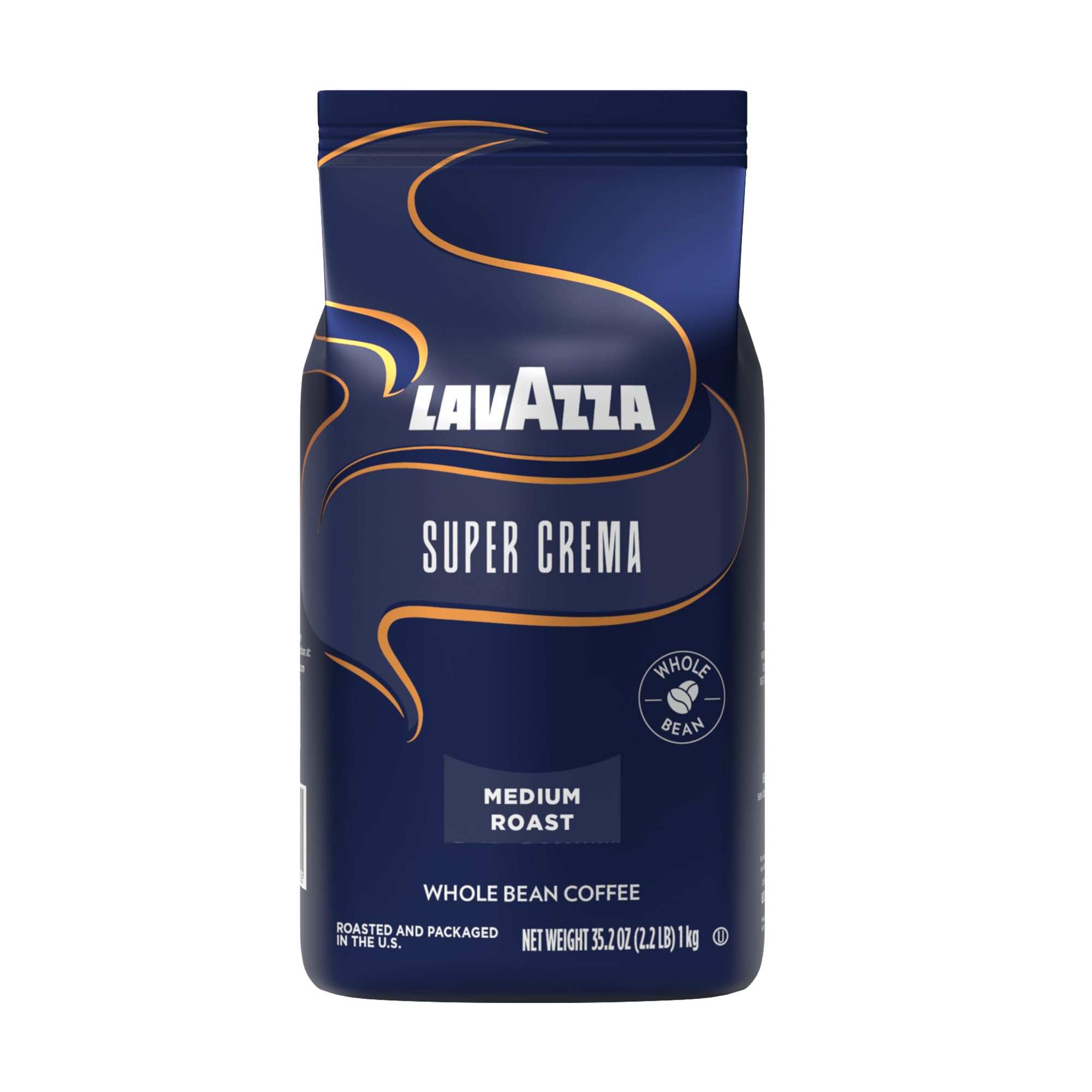
Lavazza Super Crema Whole Bean Espresso Blend, 2.2 lb
Lavazza
- Arabica-robusta blend builds thick, stable crema
- Medium roast is forgiving across grind and dose errors
- Sweet hazelnut-honey profile that plays well with milk
- 2.2 lb bag is the best per-shot value in mainstream beans
Why we picked it: The default answer to 'what beans should I put in my espresso machine?' A 60/40 arabica-robusta blend, medium roast, that pulls forgiving, honey-and-hazelnut shots with thick crema even when your dose and grind aren't perfect.
2. Best Value: Coffee Bean Direct Italian Roast Espresso, Whole Bean, 5 lb

Coffee Bean Direct Italian Roast Espresso, Whole Bean, 5 lb
Coffee Bean Direct
- 5 lb bulk bag drops the per-shot cost dramatically
- Dark Italian roast built for classic, bittersweet espresso
- Works well in milk drinks where subtlety is lost anyway
- US-roasted in small batches
Why we picked it: Five pounds of dark Italian-roast espresso for the price of two designer bags. Roasted in the US in small batches, it's the pick for households pulling multiple shots a day where freshness-per-dollar beats tasting notes.
3. Best Premium: illy Classico Whole Bean Coffee, Medium Roast Espresso
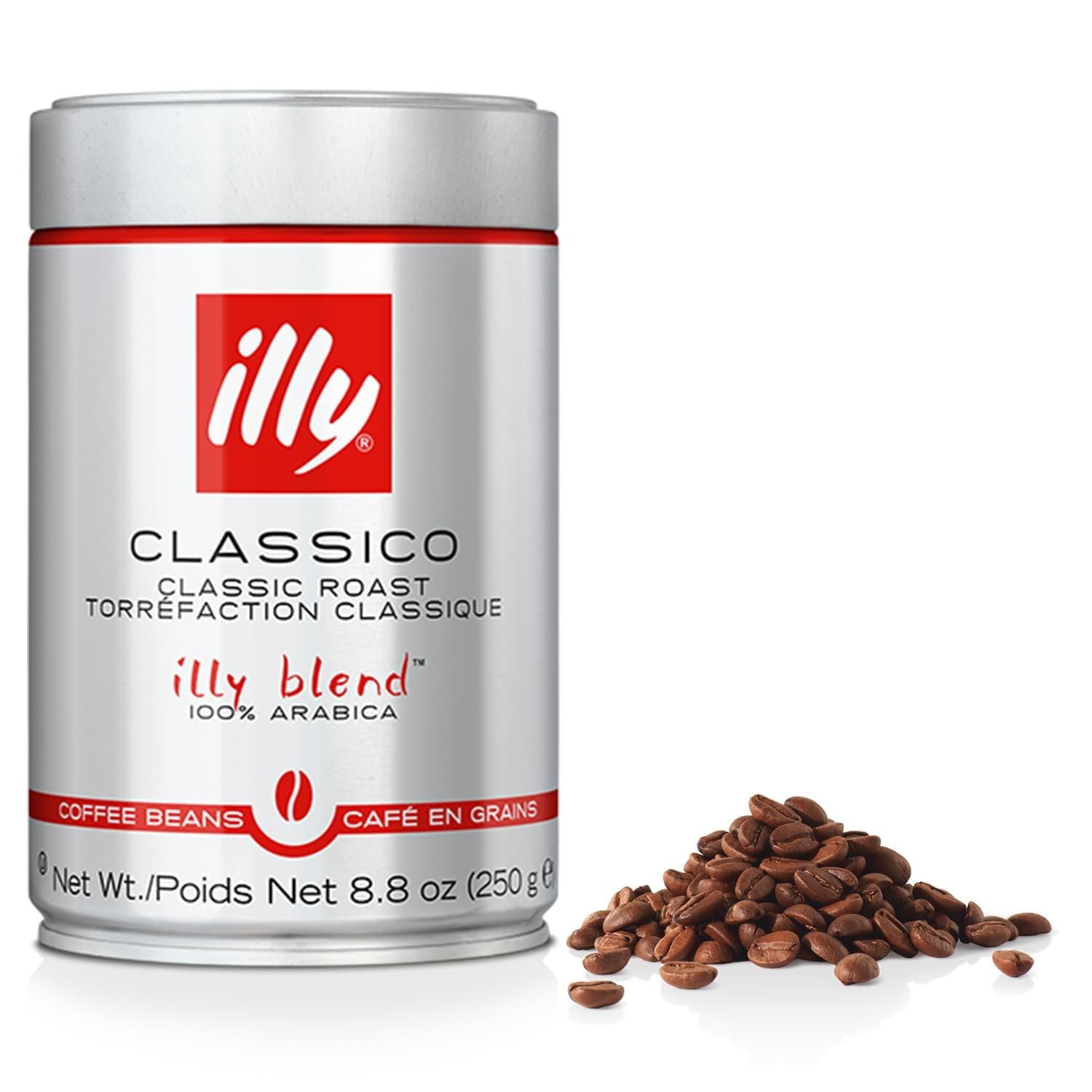
illy Classico Whole Bean Coffee, Medium Roast Espresso
illy
- 100% arabica, 9-origin blend — smooth and balanced
- Pressurized can preserves aromatics far longer than bags
- Notes of caramel, orange blossom, and chocolate
- The bean to showcase on a machine you've dialed in
Why we picked it: illy's 100% arabica Classico is the refined counterpoint to robusta blends: caramel and chocolate sweetness, zero harshness, packed in pressurized nitrogen cans that keep beans genuinely fresh until you open them.
The Comparison Table
| Pick | Brand | Product | Key spec |
|---|---|---|---|
| Best Overall | Lavazza | Lavazza Super Crema Whole Bean Espresso Blend, 2.2 lb | Arabica-robusta blend builds thick, stable crema |
| Best Value | Coffee Bean Direct | Coffee Bean Direct Italian Roast Espresso, Whole Bean, 5 lb | 5 lb bulk bag drops the per-shot cost dramatically |
| Best Premium | illy | illy Classico Whole Bean Coffee, Medium Roast Espresso | 100% arabica, 9-origin blend — smooth and balanced |
What to Look For
Roast level: medium to medium-dark is the espresso sweet spot. Light roasts are dense, hard to extract at espresso pressures, and read as sour without pro-level technique and gear. Medium and medium-dark roasts are more soluble, more forgiving of dose and grind drift, and carry the chocolate-caramel backbone most people mean when they say 'espresso flavor.'
Robusta content is a choice, not a defect. Italian-style blends add 10-40% robusta for thicker, longer-lasting crema, more body, and roughly double the caffeine — at some cost in refinement. 100% arabica (illy) is smoother and sweeter with more delicate crema. Milk-drink households usually prefer some robusta; straight-shot drinkers often prefer arabica.
Freshness beats origin stories. Espresso is brutal on stale beans: crema collapses and aromatics vanish. Look for roast dates (not just best-by), buy sizes you'll finish in about a month of daily shots, and store beans sealed, dark, and away from heat — never in the fridge, where they absorb moisture and odors.
Why crema depends on the bean as much as the machine
Crema is an emulsion of coffee oils and CO2 driven into solution at 9 bars of pressure. Two bean factors control it: roast freshness (CO2 dissipates steadily after roasting — beans three months past roast physically cannot produce thick crema, no matter the machine) and robusta content (robusta carries more of the compounds that stabilize the foam, which is why Italian bars blend it in). If your shots suddenly lost their crema, the beans are the first suspect — before you start re-dialing your espresso machine or blaming the grinder.
The pressurized-can trick illy uses is genuinely clever: packing under nitrogen pressure keeps CO2 in the beans, which is why canned illy pulls fresher-tasting shots than its packaging date suggests. Bagged beans rely on one-way valves, which protect against oxygen but still let CO2 escape — another reason to buy bag sizes you'll finish quickly.
Matching beans to how you actually drink espresso
Straight shots and americanos expose everything, so refinement pays: the illy Classico's balanced, zero-harshness profile earns its price when nothing hides behind milk. Lattes and cappuccinos are the opposite — milk mutes subtlety, and what survives is body and roast depth, which is exactly what the Lavazza Super Crema and the dark Coffee Bean Direct roast deliver. Spending illy money on beans destined for 12 ounces of oat milk is the most common espresso-budget mistake.
Grind matters as much as bean choice: espresso needs a much finer, more consistent grind than any other method, ideally from a burr grinder adjusted per bean (see our grinder guide). Dial in with the ratio as your anchor — roughly 1:2 dose-to-yield in about 25-30 seconds — then adjust grind until taste balances. And if your machine has a steam wand, good milk texture (our frother guide covers the alternatives) elevates mid-price beans more than premium beans elevate bad milk.
Buyer Scenario Decision Matrix
Stop comparing specs. Start with what you're actually doing, then the right product is obvious:
| Your Situation | Buy This | Skip This | Why |
|---|---|---|---|
| Most people — daily use, no compromises | Lavazza Super Crema Whole Bean Espresso Blend, 2.2 lb | Premium-only sets you won't grow into | Arabica-robusta blend builds thick, stable crema |
| Budget-conscious or first-time buyer | Coffee Bean Direct Italian Roast Espresso, Whole Bean, 5 lb | Premium upgrade you may not need yet | 5 lb bulk bag drops the per-shot cost dramatically |
| Heavy daily use, splurge, or buy-once-keep-forever | illy Classico Whole Bean Coffee, Medium Roast Espresso | Cheaper sets — you'll outgrow them | 100% arabica, 9-origin blend — smooth and balanced |
Bottom Line: Which Should You Buy?
For most people: the Lavazza Super Crema Whole Bean Espresso Blend, 2.2 lb. The default answer to 'what beans should I put in my espresso machine?' A 60/40 arabica-robusta blend, medium roast, that pulls forgiving, honey-and-hazelnut shots with thick crema even when your dose and grind aren't perfect.
On a budget: the Coffee Bean Direct Italian Roast Espresso, Whole Bean, 5 lb. Five pounds of dark Italian-roast espresso for the price of two designer bags. Roasted in the US in small batches, it's the pick for households pulling multiple shots a day where freshness-per-dollar beats tasting notes.
Worth the splurge: the illy Classico Whole Bean Coffee, Medium Roast Espresso. illy's 100% arabica Classico is the refined counterpoint to robusta blends: caramel and chocolate sweetness, zero harshness, packed in pressurized nitrogen cans that keep beans genuinely fresh until you open them.
Ready to buy?
Jump straight to our top picks on Amazon — prices shown at click-through.
Frequently Asked Questions
What roast is best for espresso?
Medium to medium-dark for most people. These roasts extract easily at espresso pressure, produce reliable crema, and give the chocolate-caramel profile espresso is known for. Light roasts can make spectacular espresso but demand precise technique and usually a high-end grinder.
Are espresso beans different from regular coffee beans?
Same plant, different intent: 'espresso' labeling means the roaster targeted the blend and roast at pressurized extraction — typically darker, blended for balance, and often with robusta for crema. You can pull espresso from any bean, but espresso-labeled blends are far more forgiving.
How fresh do beans need to be for espresso?
Ideally 1-8 weeks past roast. Beans need a few days of degassing after roasting to pull stable shots, then quality declines slowly for a month or two. Past three months, crema and aromatics fall off noticeably — the practical argument for buying bag sizes you finish monthly.
What is the top-rated coffee beans for espresso for 2026?
Our top-rated pick is the Lavazza Super Crema Whole Bean Espresso Blend, 2.2 lb. The default answer to 'what beans should I put in my espresso machine?' A 60/40 arabica-robusta blend, medium roast, that pulls forgiving, honey-and-hazelnut shots with thick crema even when your dose and grind aren't perfect.
Which coffee beans for espresso is best for beginners or a tighter budget?
The best-rated value pick is the Coffee Bean Direct Italian Roast Espresso, Whole Bean, 5 lb — Five pounds of dark Italian-roast espresso for the price of two designer bags. Roasted in the US in small batches, it's the pick for households pulling multiple shots a day where freshness-per-dollar beats tasting notes.
What are the best beans for espresso martinis and milk drinks?
Blends with some robusta — like Lavazza Super Crema — foam better and punch through milk and mixers. Save delicate 100% arabica beans for straight shots where their subtlety survives.
Should espresso beans be oily?
A light sheen is normal on darker roasts; heavily oil-slicked beans usually mean over-roasting or age, and that oil gums up grinder burrs. Fresh medium-dark beans with a matte-to-light-sheen surface are the sweet spot for home machines.
Want to dig deeper? See our guides to Best Espresso Machine (2026), Best DeLonghi Espresso Machine (2026), Best Coffee Grinder (2026), and Best Milk Frother (2026).